What protection means in Japan
Private security in Japan is regulated by the Security Services Act. Private protection officers are licensed and unarmed. Firearms are not part of any private programme.
That suits the reality of Tokyo. Violent crime against visitors is rare. The real risks for a public figure or a high-net-worth family are different: photographers, crowds at a store opening or a stadium, social media posts that reveal a hotel, and the confusion of moving through stations and airports in a foreign language.
What we arrange
- Licensed close protection officers from Japanese security companies, English-speaking where possible
- Advance work: hotel entrances, service routes, restaurant private rooms, venue access
- Secure routing and a follow car when the programme requires it
- Private entrances and quiet arrivals at stores, galleries and restaurants
- Coordination with your own security team, who keep authority over the principal
- Confidential bookings under an agreed name, with no public information released
Working with your security team
Many principals travel with their own protection. Foreign officers can accompany you, but the rules on what they may do in Japan are strict, and carrying weapons is not permitted. We provide local licensed officers, drivers who know the city and the advance work your team needs, and we send all of it to your head of security in writing before arrival.
Privacy, day to day
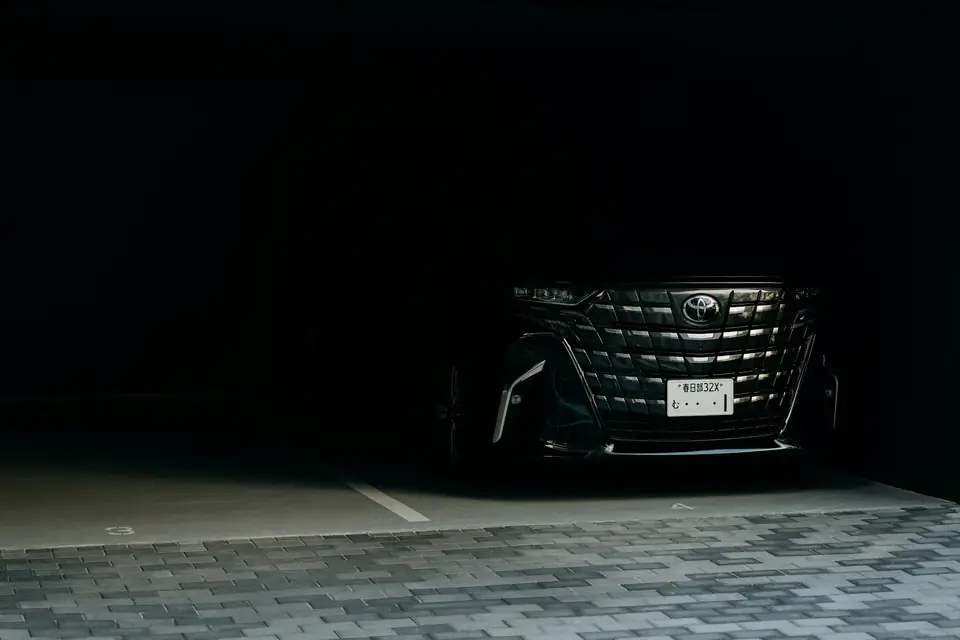
Unmarked cars. No name boards at the airport. Rooms booked under an agreed name. Staff and suppliers briefed not to photograph or post. One coordinator holds your itinerary, and only the people who need a piece of it receive that piece.
Written and checked by the Tokyo desk. Last reviewed .