Why Tokyo tables are hard to get
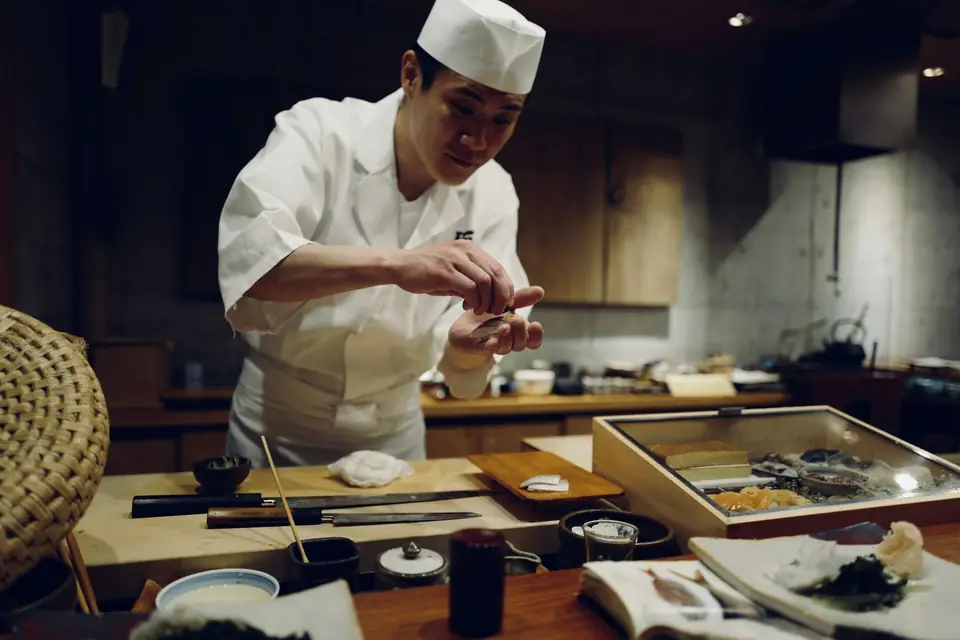
The most sought-after sushi and kaiseki counters in Tokyo have a handful of seats, open bookings on fixed dates and often require a Japanese-speaking guarantor or an introduction.
Last-minute cancellations by foreign visitors have made many chefs cautious. They prefer guests introduced by someone they trust, who will arrive on time and respect the meal. That is the role we play: we book through long-standing relationships, hotel concierges and the restaurants’ own channels, and we stand behind the booking.
We never promise a named restaurant before it is confirmed. We send you a shortlist that matches your dates and tastes, then confirm the one that is possible.
What we book
- Omakase sushi counters, from the classic Ginza masters to younger chefs
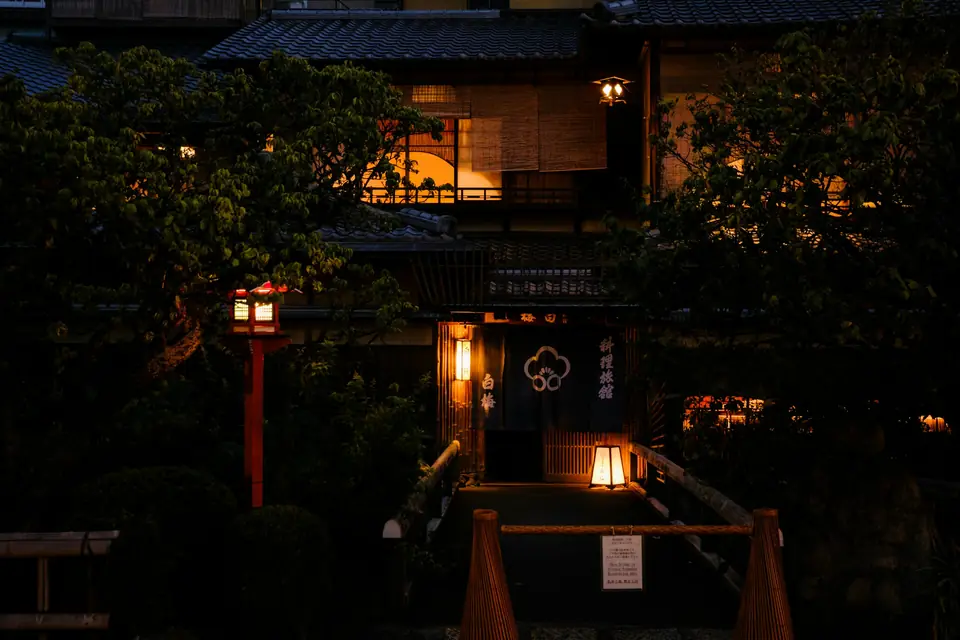
- Kaiseki in private rooms, in Tokyo and in Kyoto
- Wagyu, tempura, yakitori and soba specialists
- Private dining rooms for families and business dinners
- French and Italian tables for which Tokyo is equally famous
- Whole-restaurant privatisation for events, when possible
Allergies, halal and personal rules
Japanese cooking uses dashi, soy, mirin and sake in many dishes, so dietary needs must be explained in detail and in advance. We do this in Japanese, with the chef, before the booking is confirmed.
Halal-certified and Muslim-friendly restaurants exist in Tokyo, but they are fewer than in the Gulf or Europe. We tell you honestly what is available for your dates, and we arrange alcohol-free menus and private rooms for prayer times when the restaurant can accommodate them.
Etiquette, handled
Arrive on time, avoid strong perfume at a sushi counter, ask before photographing. Your coordinator sends you the few rules that matter for each restaurant. No tipping: service is included. More in our guide to Japanese etiquette.
Written and checked by the Tokyo desk. Last reviewed .